
Химия полимеров - ТОП 50 лучших книг

Edited by an internationally recognized leader in the field, this third volume in the series represents the complete reference to membrane processes in the food industry. The handbook adopts a highly practical approach to this hot topic, combining the hands-on experience of the expert authors involved. They provide chapters devoted to such varied applications as dairy fractionation, electrodialysis, pressure-driven membrane processes in alcoholic beverages, membrane emulsification, contactors and bioreactors, as well as membranes for food packaging.
This handbook provides an exhaustive description of polyethylene. The 50+ chapters are written by some of the most experienced and prominent authors in the field, providing a truly unique view of polyethylene. The book starts with a historical discussion on how low density polyethylene was discovered and how it provided unique opportunities in the early days. New catalysts are presented and show how they created an expansion in available products including linear low density polyethylene, high density polyethylene, copolymers, and polyethylene produced from metallocene catalysts. With these different catalysts systems a wide range of structures are possible with an equally wide range of physical properties. Numerous types of additives are presented that include additives for the protection of the resin from the environment and processing, fillers, processing aids, anti-fogging agents, pigments, and flame retardants. Common processing methods including extrusion, blown film, cast film, injection molding, a…
Polymers are an important part in everyday life; products made from polymers range from sophisticated articles, such as biomaterials, to aerospace materials. One of the reasons for the great popularity exhibited by polymers is their ease of processing. Polymer properties can be tailored to meet specific needs by varying the “atomic composition” of the repeat structure, by varying molecular weight and by the incorporation (via covalent and non-covalent interactions) of an enormous range of compounds to impart specific activities. In food science, the use of polymeric materials is widely explored, from both an engineering and a nutraceutical point of view. Regarding the engineering application, researchers have discovered the most suitable materials for intelligent packaging which preserves the food quality and prolongs the shelf-life of the products. Furthermore, in agriculture, specific functionalized polymers are used to increase the efficiency of treatments and reduce the environmental pollution. In the…
Metal- and metalloid-containing macromolecules are defined as large molecules (i.e., polymers, DNA, proteins) that contain a metal or metalloid group affiliated with the molecule. This volume describes what is possible with metal-containing polymers where the metal is an essential ingredient in obtaining desired optical and electronic properties. Covering applications in nonlinear optical materials, solar cells, light-emitting diodes, photovoltaic cells, field-effect transistors, chemosensing devices, and biosensing devices, this indispensible guide focuses on the photochemistry and photophysics of metal-containing polymers, with chapters by leading contributors to the core advances in this field.

The Handbook of Composites From Renewable Materials comprises a set of 8 individual volumes that brings an interdisciplinary perspective to accomplish a more detailed understanding of the interplay between the synthesis, structure, characterization, processing, applications and performance of these advanced materials. The handbook covers a multitude of natural polymers/ reinforcement/ fillers and biodegradable materials. Together, the 8 volumes total at least 5000 pages and offers a unique publication. Volume 1 is solely focused on the Structure and Chemistry of renewable materials. Some of the important topics include but not limited to: carbon fibers from sustainable resources; polylactic acid composites and composite foams based on natural fibres; composites materials from other than cellulosic resources; microcrystalline cellulose and related polymer composites; tannin-based foam; renewable feedstock vanillin derived polymer and composites; silk biocomposites; bio-derived adhesives and matrix polymers…
Offers a comprehensive overview of membrane science and technology from a single source Written by a renowned author with more than 40 years’ experience in membrane science and technology, and polymer science Covers all major current applications of membrane technology in two definitive volumes Includes academic analyses, applications and practical problems for each existing membrane technology Includes novel applications such as membrane reactors, hybrid systems and optical resolution as well as membrane fuel cells
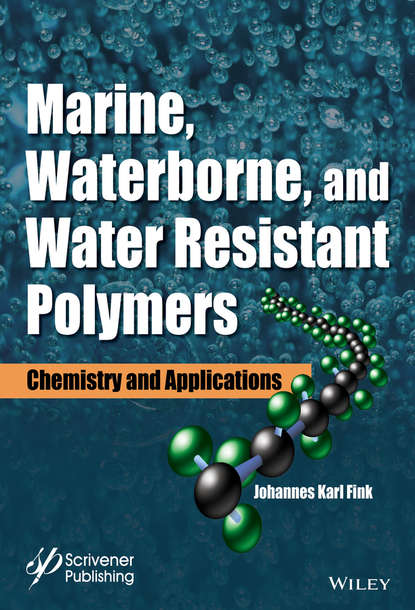
This book focuses on the chemistry of marine polymers, waterborne polymers, and water-resistant polymers, as well as the special applications of these materials. After the chemistry of marine polymers and their types are discussed, the uses of these polymers are detailed, as well as various analytical and characterization testing methods. The book also emphasizes the polymers that are most environmentally-friendly along with their origin and industrial applications. The polymers from these 3 types serve a variety of industries including medical equipment and devices, outdoor coatings and corrosion protection, food packaging, saltwater and freshwater marine purposes, paper, and marine well application, to name just a few.
Polymers are an important part in everyday life; products made from polymers range from sophisticated articles, such as biomaterials, to aerospace materials. One of the reasons for the great popularity exhibited by polymers is their ease of processing. Polymer properties can be tailored to meet specific needs by varying the «atomic composition» of the repeat structure, by varying molecular weight and by the incorporation (via covalent and non-covalent interactions) of an enormous range of compounds to impart specific activities. In food science, the use of polymeric materials is widely explored, from both an engineering and a nutraceutical point of view. Regarding the engineering application, researchers have discovered the most suitable materials for intelligent packaging which preserves the food quality and prolongs the shelf-life of the products. Furthermore, in agriculture, specific functionalized polymers are used to increase the efficiency of treatments and reduce the environmental pollution. In the…
This book examines the current state of the art, new challenges, opportunities, and applications of IPNs. With contributions from experts across the globe, this survey is an outstanding resource reference for anyone involved in the field of polymer materials design for advanced technologies. • Comprehensively summarizes many of the recent technical research accomplishments in the area of micro and nanostructured Interpenetrating Polymer Networks • Discusses various aspects of synthesis, characterization, structure, morphology, modelling, properties, and applications of IPNs • Describes how nano-structured IPNs correlate their multiscale structure to their properties and morphologies • Serves as a one-stop reference resource for important research accomplishments in the area of IPNs and nano-structured polymer systems • Includes chapters from leading researchers in the IPN field from industry, academy, government and private research institutions
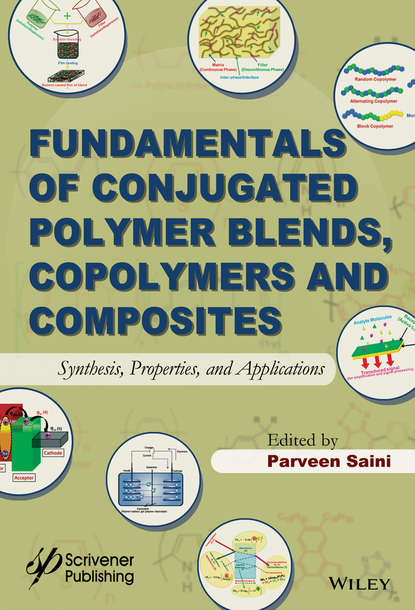
Since their discovery in 1977, the evolution of conducting polymers has revolutionized modern science and technology. These polymers enjoy a special status in the area of materials science yet they are not as popular among young readers or common people when compared to other materials like metals, paper, plastics, rubber, textiles, ceramics and composites like concrete. Most importantly, much of the available literature in the form of papers, specific review articles and books is targeted either at advanced readers (scientists/technologists/engineers/senior academicians) or for those who are already familiar with the topic (doctoral/postdoctoral scholars). For a beginner or even school/college students, such compilations are bit difficult to access/digest. In fact, they need proper introduction to the topic of conducting polymers including their discovery, preparation, properties, applications and societal impact, using suitable examples and already known principles/knowledge/phenomenon. Further, active …
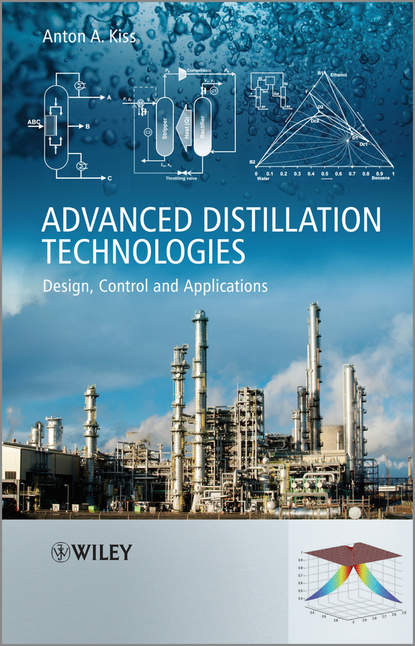
Distillation has historically been the main method for separating mixtures in the chemical process industry. However, despite the flexibility and widespread use of distillation processes, they still remain extremely energy inefficient. Increased optimization and novel distillation concepts can deliver substantial benefits, not just in terms of significantly lower energy use, but also in reducing capital investment and improving eco-efficiency. While likely to remain the separation technology of choice for the next few decades, there is no doubt that distillation technologies need to make radical changes in order to meet the demands of the energy-conscious society. Advanced Distillation Technologies: Design, Control and Applications gives a deep and broad insight into integrated separations using non-conventional arrangements, including both current and upcoming process intensification technologies. It includes: Key concepts in distillation technology Principles of design, control, sizing and economics of …
The Handbook of Composites From Renewable Materials comprises a set of 8 individual volumes that brings an interdisciplinary perspective to accomplish a more detailed understanding of the interplay between the synthesis, structure, characterization, processing, applications and performance of these advanced materials. The handbook covers a multitude of natural polymers/ reinforcement/ fillers and biodegradable materials. Together, the 8 volumes total at least 5000 pages and offers a unique publication. This 7th volume Handbook is solely focused on Nanocomposites: Science and Fundamentals. Some of the important topics include but not limited to: preparation, characterization and applications of nano materials from renewable resources; hydrogels and its nanocomposites from renewable resources: preparation of chitin-based nanocomposite materials through gelation with ionic liquid; starch based bionanocomposites; biorenewable nanofiber and nanocrystal; investigation of wear characteristics of dental composite…

Paves the way for new industrial applications using redox biocatalysis Increasingly, researchers rely on the use of enzymes to perform redox processes as they search for novel industrial synthetic routes. In order to support and advance their investigations, this book provides a comprehensive and current overview of the use of redox enzymes and enzyme-mediated oxidative processes, with an emphasis on the role of redox enzymes in chemical transformations. The authors examine the full range of topics in the field, from basic principles to new and emerging research and applications. Moreover, they explore everything from laboratory-scale procedures to industrial manufacturing. Redox Biocatalysis begins with a discussion of the biochemical features of redox enzymes as well as cofactors and cofactor regeneration methods. Next, the authors present a variety of topics and materials to the research and development of full-scale industrial applications, including: Biocatalytic applications of redox enzymes such as…
The Handbook of Composites From Renewable Materials comprises a set of 8 individual volumes that brings an interdisciplinary perspective to accomplish a more detailed understanding of the interplay between the synthesis, structure, characterization, processing, applications and performance of these advanced materials. The handbook covers a multitude of natural polymers/ reinforcement/ fillers and biodegradable materials. Together, the 8 volumes total at least 5000 pages and offers a unique publication. This 2nd volume of the Handbook is solely focused on the Design and Manufacturing of renewable materials. Some of the important topics include but not limited to: design and manufacturing of high performance green composites; manufacturing of high performance biomass-based polyesters by rheological approach; components design of fibrous composite materials; design and manufacturing of bio-based sandwich structures; design and manufacture of biodegradable products from renewable resources; manufacturing and …

This book explains characteristics of renewable fuels, especially biomass and wood, and the cost-effective and environment-friendly methods of handling, storing and burning these fuels. It is complete with the economic evaluation method, introduction of the pollution control equipment for limiting the emission from fuel combustion, case studies, and costs and carbon emission comparisons between conventional and alternate fuels. Many case studies are introduced here too. This book is an update and expansion of the «Industrial Wood Energy Handbook» by a team from the Georgia Institute of Technology in 1984. It introduces new technologies new technologies not available at the time of the early version.
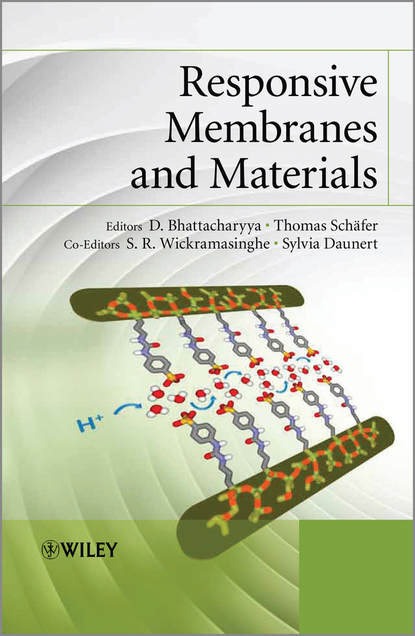
The development of new multifunctional membranes and materials which respond to external stimuli, such as pH, temperature, light, biochemicals or magnetic or electrical signals, represents new approaches to separations, reactions, or recognitions. With multiple cooperative functions, responsive membranes and materials have applications which range from biopharmaceutical, to drug delivery systems to water treatment. This book covers recent advances in the generation and application of responsive materials and includes: Development and design of responsive membranes and materials Carbon nanotube membranes Tunable separations, reactions and nanoparticle synthesis Responsive membranes for water treatment Pore-filled membranes for drug release Biologically-inspired responsive materials and hydrogels Biomimetic polymer gels Responsive Membranes and Materials provides a cutting-edge resource for researchers and scientists in membrane science and technology, as well as specialists in separations, biomaterials, bi…
Содержит теоретический материал об основных разделах биотехнологии и биоинженерии. Изложены основы теории и практики биоинженерных процессов.
Для студентов, обучающихся по направлению «Химическая технология», а также для студентов других полимерно-технологических специальностей.
The book focusses on the recent technical research accomplishments in the area of polyethylene-based blends, composites and nanocomposites by looking at the various aspects of processing, morphology, properties and applications. In particular, the book details the important developments in areas such as the structure-properties relationship of polyethylene; modification of polyethylene with radiation and ion implantation processes; stabilization of irradiated polyethylene by the introduction of antioxidants; reinforcement of polyethylene through carbon-based materials as additives; characterization of carbon-based polyethylenes composites, polyethylene-based blends with thermoplastic and thermoset; characterization of polyethylene-based thermoplastic and thermoset blends; polyethylene-based blends with natural rubber and synthetic rubber; characterization of polyethylene-based natural rubber and synthetic rubber blends; characterization of polyethylene-based composites.
Provides a comprehensive review on the brand-new development of several multiphase reactor techniques applied in energy-related processes Explains the fundamentals of multiphase reactors as well as the sophisticated applications Helps the reader to understand the key problems and solutions of clean coal conversion techniques Details the emerging processes for novel refining technology, clean coal conversion techniques, low-cost hydrogen productions and CO2 capture and storage Introduces current energy-related processes and links the basic principles of emerging processes to the features of multiphase reactors providing an overview of energy conversion in combination with multiphase reactor engineering Includes case studies of novel reactors to illustrate the special features of these reactors

Пособие является современным руководством по проектированию литьевой оснастки с использованием программы Solid Edge. Предназначено для студентов, обучающихся в бакалавриате и магистратуре по направлению 240100 «Химическая технология» (программа магистров «Химическая технология переработки пластмасс и композиционных материалов» и «Проектирование производств по получению и переработке полимеров и композиционных материалов»), изучающих дисциплину «Разработка конструкции и расчет технологической оснастки».
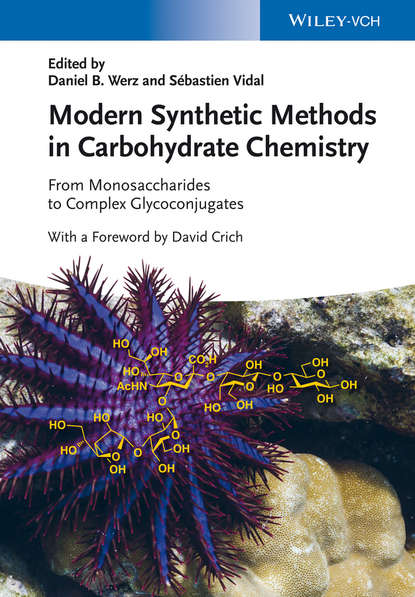
The fields of glycochemistry and glycoscience are rich and varied and where much can be learned from Nature. As Nature is not always able to produce carbohydrates in quantities useful for not only in research but also as therapeutic agents, new ways need to be found to optimize the yield. This book presents an overview of the latest developments in the field of carbohydrates, ranging from de-novo approaches via cyclodextrin chemistry to the synthesis of such highly complex glycoconjugates as glycosphingolipids and GPI anchors. The main emphasis remains on the synthetic aspects making the book an excellent source of information for those already involved in carbohydrate chemistry, as well as for those organic chemists who are beginners in this field. Equally of interest to synthetic chemists, as well as medicinal chemists and biochemists.
The design of chemical reactors and their safety are as critical to the success of a chemical process as the actual chemistry taking place within the reactor. This book provides a comprehensive overview of the practical aspects of multiphase reactor design and operation with an emphasis on safety and clean technology. It considers not only standard operation conditions, but also the problems of runaway reaction conditions and protection against ensuing over-pressure. Hydrodynamics of Multiphase Reactors addresses both practical and theoretical aspects of this topic. Initial chapters discuss various different types of gas/liquid reactors from a practical viewpoint, and later chapters focus on the modelling of multiphase systems and computational methods for reactor design and problem solving. The material is written by experts in their specific fields and will include chapters on the following topics: Multiphase flow, Bubble columns, Sparged stirred vessels, Macroscale modelling, Microscale modelling, Runa…
Molecular modeling techniques have been widely used in drug discovery fields for rational drug design and compound screening. Now these techniques are used to model or mimic the behavior of molecules, and help us study formulation at the molecular level. Computational pharmaceutics enables us to understand the mechanism of drug delivery, and to develop new drug delivery systems. The book discusses the modeling of different drug delivery systems, including cyclodextrins, solid dispersions, polymorphism prediction, dendrimer-based delivery systems, surfactant-based micelle, polymeric drug delivery systems, liposome, protein/peptide formulations, non-viral gene delivery systems, drug-protein binding, silica nanoparticles, carbon nanotube-based drug delivery systems, diamond nanoparticles and layered double hydroxides (LDHs) drug delivery systems. Although there are a number of existing books about rational drug design with molecular modeling techniques, these techniques still look mysterious and daunting for…
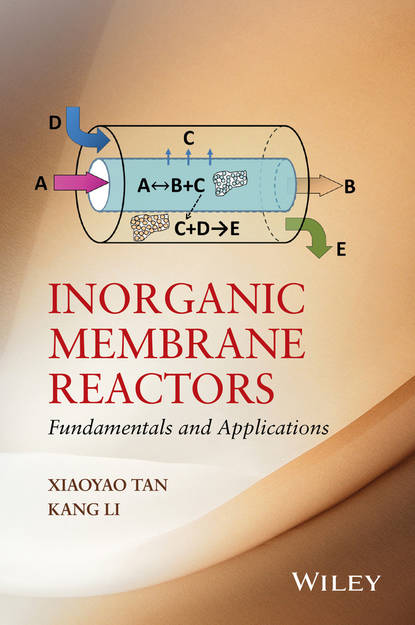
Membrane reactors combine membrane functions such as separation, reactant distribution, and catalyst support with chemical reactions in a single unit. The benefits of this approach include enhanced conversion, increased yield, and selectivity, as well as a more compact and cost-effect design of reactor system. Hence, membrane reactors are an effective route toward chemical process intensification. This book covers all types of porous membrane reactors, including ceramic, silica, carbon, zeolite, and dense metallic reactors such as Pd or Pd-alloy, oxygen ion-conducting, and proton-conducting ceramics. For each type of membrane reactor, the membrane transport principles, membrane fabrication, configuration and operation of membrane reactors, and their current and potential applications are described comprehensively. A summary of the critical issues and hurdles for each membrane reaction process is also provided, with the aim of encouraging successful commercial applications. The audience for Inorganic Membr…
The comprehensive resource for understanding the structure, properties, and applications of cyclodextrins Cyclodextrins: Properties and Industrial Applications is a comprehensive resource that includes information on cyclodextrins (CDs) structure, their properties, formation of inclusion complex with various compounds as well as their applications. The authors Sahar Amiri and Sanam Amiri, noted experts in the field of cyclodextrins, cover both the basic and applied science in chemistry, biology, and physics of CDs and offers scientists and engineers an understand of cyclodextrins. Cyclodextrins are a family of cyclic oligosaccharides consisting of (α-1,4)-linked α-D-glucopyranose units. The formation of inclusion complex between CDs as host and guest molecules is based on non-covalent interaction such as hydrogen bonding or van der waals interactions and lead to the formation of supramolecular structures. These supramolecular structures can be used as macroinitiator for initiating various type of reaction…
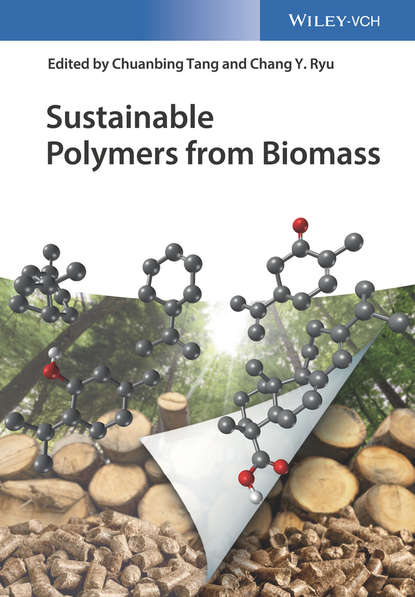
Offering a unique perspective summarizing research on this timely important topic around the globe, this book provides comprehensive coverage of how molecular biomass can be transformed into sustainable polymers. It critically discusses and compares a few classes of biomass – oxygen-rich, hydrocarbon-rich, hydrocarbon and non-hydrocarbon (including carbon dioxide) as well as natural polymers – and equally includes products that are already commercialized. A must-have for both newcomers to the field as well as established researchers in both academia and industry.

Учебное пособие соответствует Государственному образовательному стандарту по направлению 240100 – «Химическая технология» и программе «Наука о полимерах и технология». В пособии описаны пластмассы на основе полимеров, получаемых путем полимеризации, поликонденсации, и химически модифицированные полимеры (подготовка мономера, полимеризация или поликонденсация, свойства, переработка и применение).
Представлена разработка программного комплекса на основе математической модели процесса совместимости в системе полимер–растворитель. Рассмотрены сведения по теории растворимости полимеров и методы определения параметров растворимости полимеров.

В книге изложены современные представления о роли поверхностных явлений в структурно-механическом поведении аморфных и кристаллических полимеров. Рассмотрены процессы развития и залечивания межфазной поверхности при разного рода воздействиях и показано, что любые воздействия приводят к ее изменению и сопровождаются транспортом материала из объема в поверхность и/или наоборот. Показано, что такие свойства полимеров, как сдвиговая текучесть, деформационное размягчение и большая обратимая деформация, во многом зависят от уровня межфазной поверхностной энергии. Рассмотрен эффект Ребиндера в полимерах и разного рода модификации поверхности. Заключительный раздел посвящен прикладным аспектам использования поверхностных явлений в разного рода полимерных системах. Для научных сотрудников и инженеров-технологов, занимающихся исследованием, разработкой и применением полимерных материалов, в том числе нанокомпозитов, а также для преподавателей, аспирантов и студентов соответствующих специальностей. Издание осуществл…
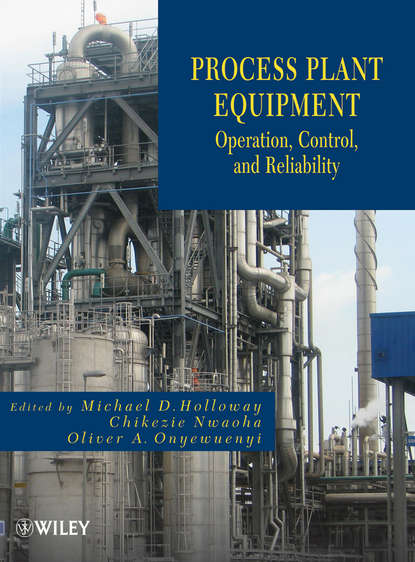
“Process Plant Equipment Book is another great publication from Wiley as a reference book for final year students as well as those who will work or are working in chemical production plants and refinery…” -Associate Prof. Dr. Ramli Mat, Deputy Dean (Academic), Faculty of Chemical Engineering, Universiti Teknologi Malaysia “…give[s] readers access to both fundamental information on process plant equipment and to practical ideas, best practices and experiences of highly successful engineers from around the world… The book is illustrated throughout with numerous black & white photos and diagrams and also contains case studies demonstrating how actual process plants have implemented the tools and techniques discussed in the book. An extensive list of references enables readers to explore each individual topic in greater depth…” –Stainless Steel World and Valve World, November 2012 Discover how to optimize process plant equipment, from selection to operation to troubleshooting From energy to pharmaceuticals to…
В монографии приводятся результаты научных исследований силикатных и полимерсиликатных композитов каркасной структуры роликового формования. Рассмотрены процессы структурообразования и технологии получения каркасных композитов роликового формования. Проведена оптимизация составов по показателям прочности, деформативности, долговечности в условиях воздействия химических и биологических агрессивных сред, циклически действующих температур.
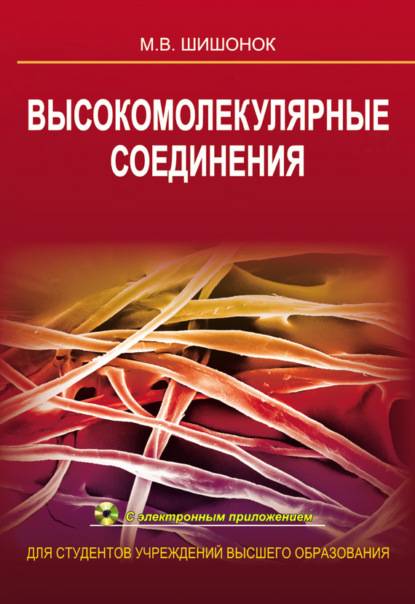
Подготовлено в соответствии с программой дисциплины. Включает классификацию и номенклатуру высокомолекулярных соединений; описывает их структуру, синтез и модификацию, а также свойства полимерных материалов. Представлены оригинальные научно-технические решения проблем полимерной химии, показана их физико-химическая суть, конкретизированная информативными авторскими рисунками, в чем заключается новизна издания.
Для студентов учреждений высшего образования, преподавателей учреждений высшего и среднего специального образования, учителей, школьников, инженерно-технических и научных работников, а также для всех, кто интересуется полимерами и сополимерами.
Компакт-диск прилагается только к печатному изданию.
Исследован ряд специфических особенностей структуры и свойств дисперсно-наполненных полимерных нанокомпозитов. Описаны новые для этих материалов эффекты: наноадгезия, механизмы усиления и т.п. Структурный анализ выполнен с использованием фрактального анализа и кластерной модели структуры аморфного состояния полимеров. Рассмотрены перспективы применения этого класса наноматериалов по сравнению с другими видами полимерных нанокомпозитов.

A new perspective on the link between inflammation and cancer Inflammation is the human body’s normal biological response to threats in the modern world, as well as a defense against the harmful influence of pathogens, the environment, and poor nutrition. But what happens when the inflammatory response is triggered repeatedly and sustained for long periods of time? Cancer and Inflammation Mechanisms: Chemical, Biological, and Clinical Aspects discusses the mechanisms by which chronic inflammation can lead to cancer, the various causative agents, and possible prevention methods. A compilation of the latest information coming out of the various fields of cancer research, this book provides a detailed look at inflammation-related carcinogenesis from the perspective of researchers at the forefront of the field. It takes an interdisciplinary approach to the topic, and provides comprehensive information about the major factors at work in inflammation, cancer, and the intersection of the two conditions. Topics i…
Дан анализ методов получения нанокомпозитов на основе каучуков и полиолефинов со слоистыми силикатами. Изучена структура, физико-механические, вулканизационные, реологические, электрические и другие свойства полученных нанокомпозитов.

Представлены тезисы победителей I тура XXIII Менделеевского конкурса научно исследовательских работ студентов-химиков по номинациям: «Исследования по химии» и «исследования по химической технологии», принявшим участие в работе XXIII Менделеевской конференции молодых ученых.
Содержание книги отражает основные результаты научных исследований студентов, аспирантов и молодых ученых в области химии и технологии полимеров и композиционных материалов.
Содержание сборника отражает основные результаты научных исследований по проблемам науки о полимерах (синтез, свойства и переработка полимеров и композиционных материалов на их основе).
Изложены современные представления о строении полимеров и особенностях их свойств, рассмотрены различные методы синтеза и химических превращений полимеров. Предназначено для студентов, обучающихся по направлению 240500 «Химия и технология высокомолекулярных соединений и полимерных материалов» на основании учебных планов по специальности 240502.65 – «Технология переработки пластических масс и эластомеров» (специализация 240502.65-02 «Технология переработки эластомеров») очной и заочной форм обучения. Может использоваться студентами, обучающимися по направлению 240100.62 «Химическая технология и биотехнология».
Provides users with everything they need to know about testing and analysis of coal Includes new coverage on environmental issues and regulations as related to coal Provides the reader with the necessary information about testing and analyzing coal and relays the advantages and limitations in understanding the quality and performance of coal Explains the meaning of test results and how these results can predict coal behavior and its corresponding environmental impact during use Includes a comprehensive Glossary which defines items in straightforward language that enable readers to better understand the terminology related to coal Treats issues related to sampling, and accuracy and precision of analysis
Written in four parts, this book provides a dedicated and in-depth reference for blending within the pharmaceutical manufacturing industry. It links the science of blending with regulatory requirements associated with pharmaceutical manufacture. The contributors are a combination of leading academic and industrial experts, who provide an informed and industrially relevant perspective of the topic. This is an essential book for the pharmaceutical manufacturing industry, and related academic researchers in pharmaceutical science and chemical and mechanical engineering.
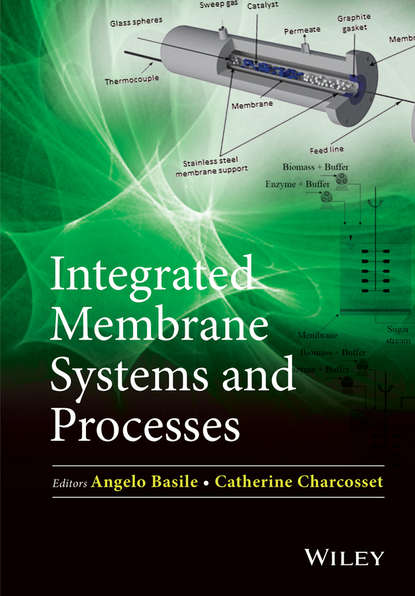
The book examines the possibility of integrating different membrane unit operations (microfiltration, ultrafiltration, nanofiltration, reverse osmosis, electrodialysis and gas separation) in the same industrial cycle or in combination with conventional separation systems. It gives careful analysis of the technical aspects, and the possible fields of industrial development. The book reviews many original solutions in water desalination, agro-food productions and wastewater treatments, highlighting the advantages achievable in terms of product quality, compactness, rationalization and optimization of productive cycles, reduction of environmental impact and energy saving. Also included are examples of membrane reactors and their integration with a fuel cell; polymeric membranes in the integrated gasification combined cycle power plants; integrating a membrane reformer into a solar system; and potential application of membrane integrated systems in the fusion reactor fuel cycle. With detailed analysis and bro…
Provides users with everything they need to know about testing and analysis of coal Includes new coverage on environmental issues and regulations as related to coal Provides the reader with the necessary information about testing and analyzing coal and relays the advantages and limitations in understanding the quality and performance of coal Explains the meaning of test results and how these results can predict coal behavior and its corresponding environmental impact during use Includes a comprehensive Glossary which defines items in straightforward language that enable readers to better understand the terminology related to coal Treats issues related to sampling, and accuracy and precision of analysis
Green, clean and renewable are the hottest keywords for catalysis and industry. This handbook and ready reference is the first to combine the fields of advanced experimentation and catalytic process development for biobased materials in industry. It describes the entire workflow from idea, approach, research, and process development, right up to commercialization. A large part of the book is devoted to the use of advanced technologies and methodologies like high throughput experimentation, as well as reactor and process design models, with a wide selection of real-life examples included at each stage. The contributions are from authors at leading companies and institutes, providing firsthand information and knowledge that is hard to find elsewhere. This work is aimed at decision makers, engineers and chemists in industry, chemists and engineers working with/on renewables, chemists in the field of catalysis, and chemical engineers.
Completely revised, updated, and enlarged, this second edition now contains a subchapter on biorecognition assays, plus a chapter on bioprocess control added by the new co-author Jun-ichi Horiuchi, who is one of the leading experts in the field. The central theme of the textbook remains the application of chemical engineering principles to biological processes in general, demonstrating how a chemical engineer would address and solve problems. To create a logical and clear structure, the book is divided into three parts. The first deals with the basic concepts and principles of chemical engineering and can be read by those students with no prior knowledge of chemical engineering. The second part focuses on process aspects, such as heat and mass transfer, bioreactors, and separation methods. Finally, the third section describes practical aspects, including medical device production, downstream operations, and fermenter engineering. More than 40 exemplary solved exercises facilitate understanding of the comp…
Presents key concepts and terminology for a multidisciplinary range of topics in petroleum engineering Places oil and gas production in the global energy context Introduces all of the key concepts that are needed to understand oil and gas production from exploration through abandonment Reviews fundamental terminology and concepts from geology, geophysics, petrophysics, drilling, production and reservoir engineering Includes many worked practical examples within each chapter and exercises at the end of each chapter highlight and reinforce material in the chapter Includes a solutions manual for academic adopters
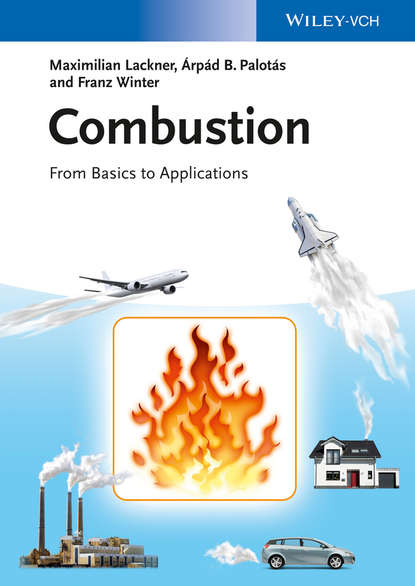
Combustion, the process of burning, is defined as a chemical reaction between a combustible reactant (the fuel) and an oxidizing agent (such as air) in order to produce heat and in most cases light while new chemical species (e.g., flue gas components) are formed. This book covers a gap on the market by providing a concise introduction to combustion. Most of the other books currently available are targeted towards the experienced users and contain too many details and/or contain knowledge at a fairly high level. This book provides a brief and clear overview of the combustion basics, suitable for beginners and then focuses on practical aspects, rather than theory, illustrated by a number of industrial applications as examples. The content is aimed to provide a general understanding of the various concepts, techniques and equipment for students at all level as well as practitioners with little or no prior experience in the field. The authors are all international experts in the field of combustion technolog…
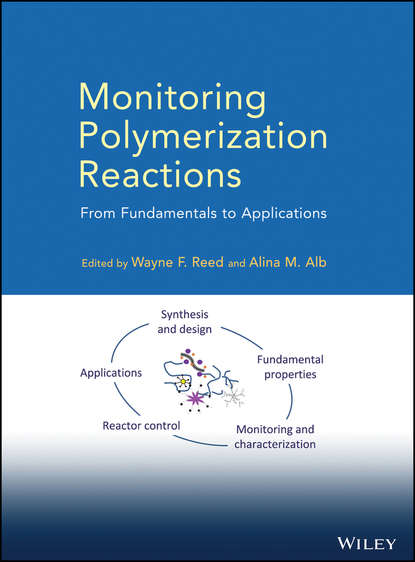
Offers new strategies to optimize polymer reactions With contributions from leading macromolecular scientists and engineers, this book provides a practical guide to polymerization monitoring. It enables laboratory researchers to optimize polymer reactions by providing them with a better understanding of the underlying reaction kinetics and mechanisms. Moreover, it opens the door to improved industrial-scale reactions, including enhanced product quality and reduced harmful emissions. Monitoring Polymerization Reactions begins with a review of the basic elements of polymer reactions and their kinetics, including an overview of stimuli-responsive polymers. Next, it explains why certain polymer and reaction characteristics need to be monitored. The book then explores a variety of practical topics, including: Principles and applications of important polymer characterization tools, such as light scattering, gel permeation chromatography, calorimetry, rheology, and spectroscopy Automatic continuous online monito…
Survey’s the issues typically raised in discussions of sustainability and plastics Discusses current issues not covered in detail previously such as ocean litter, migration of additives into food products and the recovery of plastics Covers post-consumer fate of plastics on land and in the oceans, highlighting the environmental impacts of disposal methods Details toxicity of plastics, particularly as it applies to human health Presents a clear analysis of the key plastic-related issues including numerous citations of the research base that supports and contradicts the popularly held notions
Praise for the previous edition: “Contains something for everyone involved in lubricant technology” – Chemistry & Industry This completely revised third edition incorporates the latest data available and reflects the knowledge of one of the largest companies active in the business. The authors take into account the interdisciplinary character of the field, considering aspects of engineering, materials science, chemistry, health and safety. The result is a volume providing chemists and engineers with a clear interdisciplinary introduction and guide to all major lubricant applications, focusing not only on the various products but also on specific application engineering criteria. A classic reference work, completely revised and updated (approximately 35% new material) focusing on sustainability and the latest developments, technologies and processes of this multi billion dollar business Provides chemists and engineers with a clear interdisciplinary introduction and guide to all major lubricant applications…